
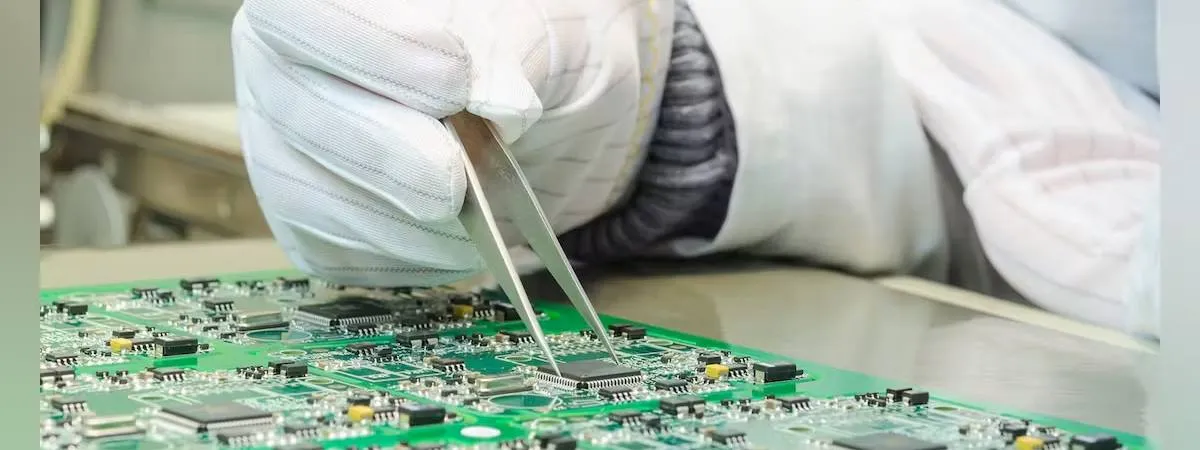
Flexible PCB (FPC)
Flexible printed circuits on polyimide for products that bend, fold or need to save space and weight.
Last updated
Flexible PCB (FPC) samples
-
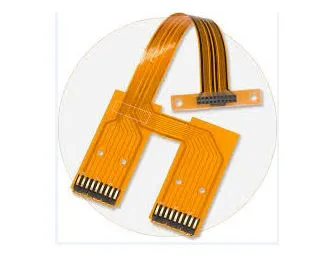
6L FPC, thickness 0.235 mm, min. hole 0.2 mm, 2.5/2.5 mil
-
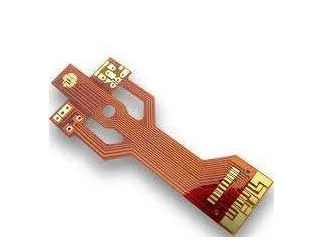
4L flex circuit, 0.1 mm hole, PI stiffener 0.025 mm
-
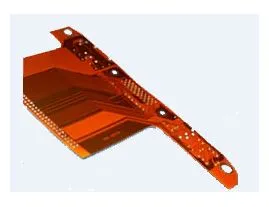
2L immersion gold flex circuit board, thickness 0.235 mm, 1 oz, PI stiffener 3 mil
About Flexible PCB (FPC)
Flexible printed circuits (FPCs) are built on thin polyimide film instead of rigid glass-epoxy, so the circuit can bend, fold or flex in use. They replace wire harnesses and board-to-board connectors, cut weight, and let electronics fit into curved or very tight enclosures.
We supply single-sided, double-sided and multilayer flex circuits up to 6 layers, with polyimide stiffeners where components or connectors mount and finishes such as immersion gold. Let us know whether the flex area is static (bent once during installation) or dynamic (flexing repeatedly in use), as this decides the copper type and minimum bend radius.
Typical applications
- Wearables and mobile devices
- Camera and display modules
- Automotive sensors and lighting
- Medical devices
- Printers and other equipment with moving parts
Common questions
What is the difference between a flexible PCB and a rigid-flex PCB?
A flexible PCB is flex material throughout, with local stiffeners where needed. A rigid-flex PCB laminates rigid FR4 sections and flexible polyimide layers into one board, so components sit on the rigid areas and the flex sections act as built-in cables.
What should I send for a flex PCB quote?
Gerber or ODB++ files, the layer stack-up, stiffener locations and thickness, the minimum bend radius, whether the flex is static or dynamic, the surface finish and the quantity.
Have a board to build?
Send us your Gerber files and requirements. Our team will review your specifications and get back to you with a quote.